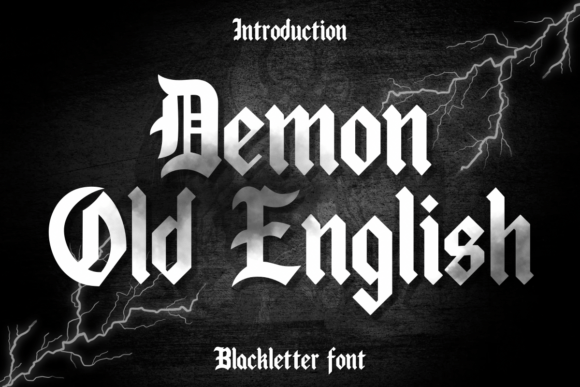
Demon Old English: A Bold Statement in Blackletter
When you first encounter Demon Old English, you're not just seeing a font—you're meeting a character. This blackletter typeface carries the weight of centuries while feeling surprisingly versatile in today’s design landscape. It’s the kind of typeface that doesn’t whisper; it speaks with conviction. Whether you’re crafting a personal journal, designing a brand logo, or creating social media posts that need to stop the scroll, Demon Old English brings a distinct voice to your work.
Understanding Its Visual Personality
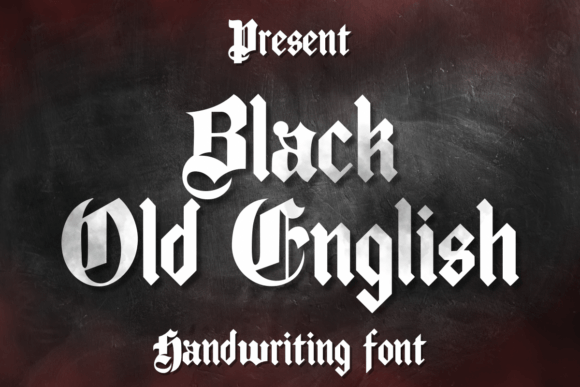
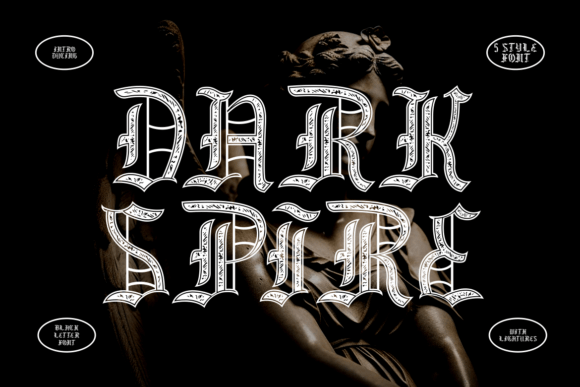
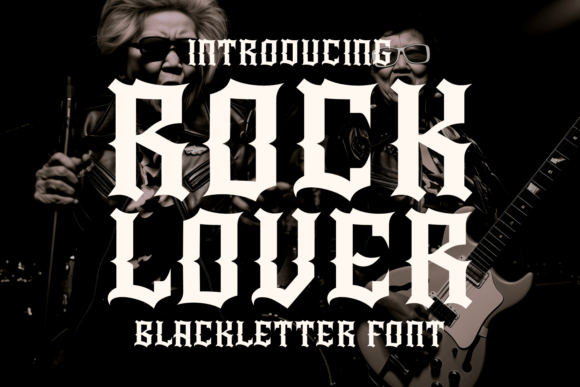
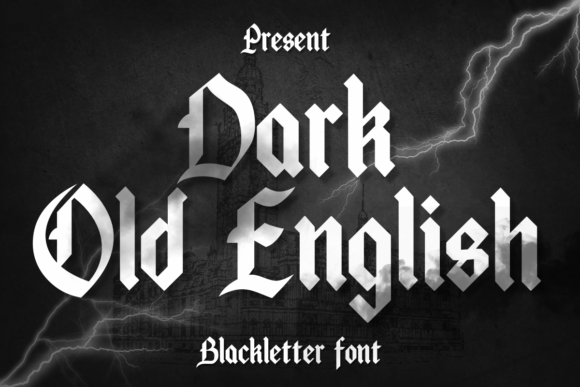
Demon Old English is rooted in the blackletter tradition, characterized by its intricate, angular strokes and dramatic contrast between thick and thin lines. The letterforms feel handcrafted, with a gothic elegance that balances ornamentation and readability. Unlike some overly decorative blackletter fonts, Demon Old English maintains a certain clarity at larger sizes, making it more practical for real-world applications. It carries a sense of history—think medieval manuscripts, vintage signage, or classic tattoo artistry—but it doesn’t feel stuck in the past. The font’s personality leans toward the bold, the dramatic, and the unapologetically expressive.
This isn’t a typeface for every situation. You wouldn’t set a long paragraph of body text with it, and it would be overwhelming on a minimalist tech startup’s website. But where it shines is in contexts that call for tradition, rebellion, craftsmanship, or a touch of the theatrical. It’s a display font at heart, meaning it’s designed to capture attention in headlines, logos, and short bursts of text rather than in lengthy passages.
Where Demon Old English Truly Excels
Think about projects where heritage and authenticity matter. A craft brewery’s logo, a tattoo studio’s branding, a band’s merchandise, or a luxury apparel line with a vintage edge—these are natural homes for Demon Old English. It works beautifully on physical products like packaging design for artisan goods, engraved stationery, or custom mugs and shirts. The font’s intricate details also reproduce well in embossing, foil stamping, and screen printing, adding tactile value to printed materials.
In the digital space, Demon Old English can be a powerful tool for social media graphics that need to convey authority or nostalgia. A motivational quote on Instagram, a YouTube thumbnail for a history channel, or a podcast cover art for a true crime series could all leverage its dramatic flair. For editorial design, consider using it for pull quotes, chapter headings in a book, or the title of a magazine feature about underground culture or craftsmanship.
Entrepreneurs and small business owners might use it sparingly but strategically in their brand identity. Imagine a law firm with a centuries-old tradition, a vintage barbershop, or a specialty coffee roaster—these brands could use Demon Old English in their logo or signage to communicate heritage, expertise, and a commitment to craft. The key is context. It should feel intentional, not accidental.
Practical Guidance for Using This Font
Before you dive in, consider the project’s tone and audience. Demon Old English speaks to adults who appreciate tradition, craftsmanship, or a certain edginess. It might not resonate as well with a young, minimalist audience or in contexts requiring a clean, modern aesthetic. Always test the font in your specific design environment. How does it look on your chosen background? Does it maintain legibility at the intended size? For web design, you’ll want to ensure it renders well across devices and doesn’t slow down page load times if used extensively.
One of the most important aspects of using a display font like Demon Old English is font pairing. It generally pairs well with clean, neutral typefaces. A simple sans serif font for body text can create a balanced hierarchy, allowing the blackletter to dominate headlines without overwhelming the viewer. You could also pair it with a script font for a vintage or romantic aesthetic, but be cautious—too much ornamentation can clash. Test combinations carefully to ensure visual harmony.
Check what’s included in the font package. Many premium font offerings include alternate characters, ligatures, or stylistic sets that can add variety to your designs. Understanding these features can help you customize the look for different applications. Also, pay attention to licensing. If you’re using Demon Old English for commercial projects—like client work, merchandise, or digital products—you’ll likely need a commercial license. Always read the terms to avoid legal issues down the line.
Real-World Examples and Considerations
Let’s say you’re a blogger writing about historical fiction. Using Demon Old English for your blog title or chapter headings could instantly set the tone. Or perhaps you’re a crafter selling handmade journals at a market—printing the word “Journal” on the cover in this font would give it an authentic, vintage feel. For a small business owner creating a logo design for a vintage clothing store, Demon Old English could be the centerpiece, paired with a clean sans serif for the tagline.
Remember that blackletter fonts carry cultural connotations. In some contexts, they evoke gothic literature, heavy metal, or medieval history. In others, they might suggest rebellion or counterculture. Be mindful of these associations and ensure they align with your brand’s message. For a creative font like Demon Old English, the goal is to enhance communication, not distract from it. Use it where it adds meaning, and let other typefaces handle the supporting roles.
Ultimately, Demon Old English is a tool for expression. It’s not about following trends—it’s about choosing the right voice for your story. Whether you’re designing for yourself or a client, take the time to explore its potential, test its limits, and see where it fits naturally. When used thoughtfully, this blackletter font can transform ordinary text into something memorable, adding depth and character to your creative projects.